
First-Time Homebuyer Guide: Mortgage Budget Agent, House Hunting and Closing Tips
- 4 days ago
- 5 min read
Buying a first home can feel expensive before the search even starts. The best way to lower stress is to know the steps, the costs, and the people who can help.
This guide is informational only. For mortgage, tax, legal, or insurance advice, speak with licensed professionals in your state.
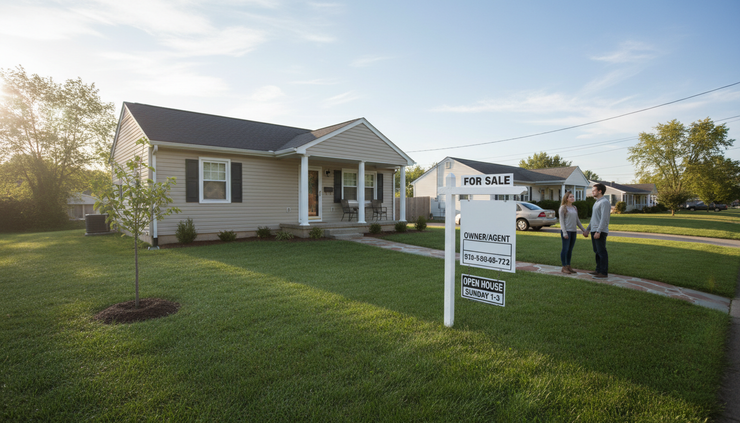
Start with mortgage options and preapproval
A mortgage is not one-size-fits-all. The loan type affects your down payment, monthly payment, credit requirements, and long-term cost.
Common options include:
Conventional loans
Often used by buyers with solid credit. Some programs allow low down payments, but private mortgage insurance may apply if the down payment is under 20%.
FHA loans
Backed by the Federal Housing Administration. These can work well for buyers with lower credit scores or smaller down payments.
VA loans
Available to eligible service members, veterans, and some surviving spouses. These often do not require a down payment.
USDA loans
Available in eligible rural and some suburban areas. Income limits and property rules apply.
Fixed-rate mortgages
The interest rate stays the same for the life of the loan. This gives predictable payments.
Adjustable-rate mortgages
The rate can change after an initial period. The starting rate may be lower, but future payments can rise.
Get preapproved before serious house hunting. A preapproval shows what a lender is willing to lend based on income, credit, debts, and assets. It also helps sellers take an offer seriously.
Common pitfall to avoid: shopping only for the lowest rate. Compare loan terms, fees, points, mortgage insurance, and closing costs too.

Set a budget that includes real-life costs
A lender may approve a higher amount than feels comfortable. Use the preapproval as a limit, not a target.
Build a budget around the full monthly payment. This often includes:
Principal and interest
Property taxes
Homeowners insurance
Mortgage insurance, if required
HOA dues, if the property has them
Utilities and maintenance
Savings for repairs
A common planning rule is to keep housing costs at a level that still leaves room for food, transportation, savings, medical costs, and emergencies. The exact number depends on income, debt, and lifestyle.
Also plan for upfront cash needs:
Down payment
Earnest money deposit
Home inspection
Appraisal
Closing costs
Moving expenses
Immediate repairs or furniture
Do not empty every savings account to buy the home. A new water heater, roof repair, or appliance replacement can appear fast.
Good resources include HUD-approved housing counseling agencies, state housing finance agencies, local first-time buyer programs, and nonprofit credit counseling groups. Many offer education on budgeting, down payment help, and loan readiness.
Find the right real estate agent
A good agent helps with pricing, offer strategy, contract timelines, inspections, and local market norms. For a first-time buyer, clear communication matters more than hype.
Ask these questions before choosing an agent:
How often do you work with first-time buyers?
What areas and price ranges do you know best?
How do you explain offer terms and risks?
How fast do you respond during active negotiations?
Can you recommend inspectors, lenders, and insurance contacts if needed?
What should I expect after an offer is accepted?
Look for someone who explains tradeoffs plainly. A strong agent will not pressure you to waive protections without making the risks clear.
Common pitfall to avoid: choosing an agent only because they are a friend or relative. Trust matters, but experience and availability matter too.
Use a clear plan for house hunting
House hunting gets easier when needs and wants are separate. Needs are deal breakers. Wants are nice to have.
Examples of needs:
Safe monthly payment
Enough bedrooms for daily life
Reasonable commute
Acceptable school district or location
No major layout issue that cannot be fixed
Examples of wants:
Updated kitchen
Large yard
Finished basement
Extra bathroom
Newer flooring
Tour homes with a checklist. Pay attention to the roof age, windows, water stains, foundation cracks, drainage, electrical panel, HVAC system, and signs of poor maintenance. Cosmetic flaws may be easy to fix. Structural or water issues can cost far more.
Do not let staging make the decision. A clean, pretty house can still have problems. An outdated house can be a good buy if the systems are solid and the price reflects the work needed.
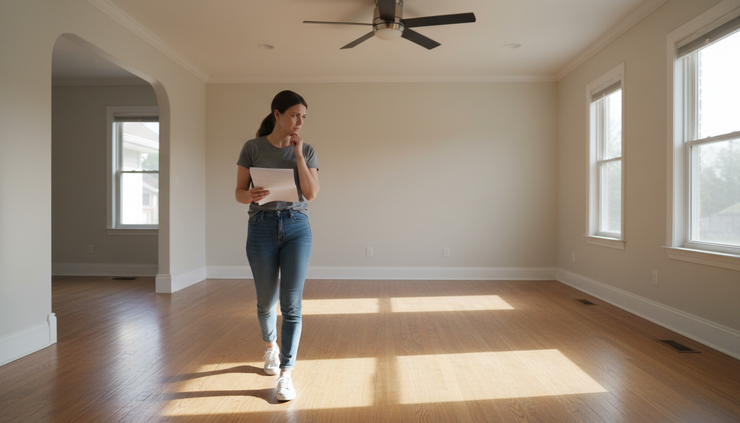
Navigate inspections, appraisal, and closing
Once an offer is accepted, the process moves fast. Track every deadline in the contract.
The home inspection is one of the biggest protection points. A general inspector reviews major visible systems and gives a written report. Depending on the property, further inspections may be smart, such as:
Sewer scope
Roof inspection
Pest inspection
Radon test
Mold evaluation
Foundation review
After inspections, buyers may ask for repairs, credits, a price reduction, or decide to walk away if the contract allows it. Focus on safety, structure, water intrusion, electrical issues, plumbing, roof, and HVAC. Avoid fighting over minor wear unless it affects value or function.
The lender will order an appraisal. The appraiser checks whether the home supports the contract price for lending purposes. If it appraises low, options may include renegotiating, paying the difference, changing loan terms, or canceling if protected by the contract.
Before closing, review the Closing Disclosure. Compare it with the Loan Estimate. Ask questions about fees, cash needed to close, taxes, insurance, and prepaid items.
Before signing, do a final walk-through. Confirm agreed repairs are complete, included items remain, and the home has not been damaged since the inspection.
Common pitfall to avoid: making large financial changes before closing. Do not open new credit lines, finance furniture, change jobs without telling the lender, or move money around without documentation.
For help with local buying steps, property searches, and questions about timing, contact Nicole Hoover Realty.
FAQ
How much should a first-time buyer save before buying?
Save for the down payment, closing costs, inspections, moving costs, and an emergency fund. The right amount depends on the loan type, home price, and local costs.
Should a first-time buyer get prequalified or preapproved?
Preapproval is stronger. It usually involves a closer review of credit, income, assets, and debts. Sellers often prefer it.
Is it bad to buy a house with less than 20% down?
No. Many buyers purchase with less than 20% down. The tradeoff may be mortgage insurance and a higher monthly payment.
Can a buyer back out after the inspection?
That depends on the contract and deadlines. Inspection contingencies often give buyers options, but the exact rights vary by state and agreement.

The best first home is not always the biggest or newest. It is the home that fits the budget, passes careful review, and supports daily life. Move step by step. Ask direct questions. Keep cash reserves. A steady process protects both the purchase and the peace that comes after move-in.